
What Is a Neurologist?
A neurologist is a medical doctor who has completed advanced training in disorders of the central nervous system (CNS)—which includes the brain and spinal cord—and the peripheral nervous system, including muscles and nerves throughout the body.
At CNS, our neurologists are also trained in subspecialty areas such as:
- Vascular Neurology (stroke and blood vessel-related disorders)
- Neuromuscular & Electrodiagnostic Medicine (nerve and muscle testing)
- Epilepsy (seizure disorders)
Why See a Neurologist?
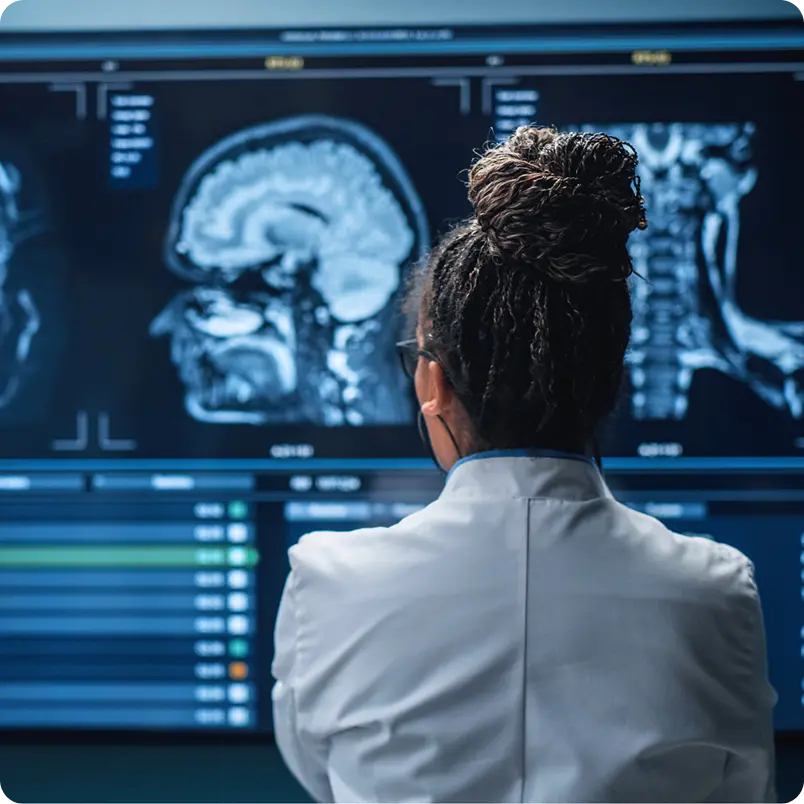
You may be referred to a neurologist if you’re experiencing symptoms that affect movement, sensation, memory, or cognition. Sometimes these symptoms are subtle or seem unrelated to the nervous system at first. Our team specializes in investigating the underlying cause and guiding you through diagnosis and treatment.
Common Reasons for a Neurology Evaluation:
- Muscle weakness
- Numbness or tingling
- Tremors, shaking, or involuntary movements
- Headaches or migraines
- Memory loss or confusion
- Gait instability or balance issues
- Seizures or blackouts
- Neck or back pain with neurological symptoms
- Stroke or TIA (transient ischemic attack)
- Sleep disturbances related to neurology
- Facial pain or numbness
- Parkinson’s disease or other movement disorders
- Multiple sclerosis and other autoimmune neurological conditions
Our Approach to Neurology
At CNS, we combine clinical experience, state-of-the-art diagnostic tools, and individualized care plans to help each patient understand their condition and feel supported in their care journey.
Our team offers:
- Comprehensive neurological evaluations
- Coordination of care with primary care and specialists
- In-office neurodiagnostic testing (EEG, EMG/NCS, EPs)
- Education and resources for patients and caregivers
- Clear communication and treatment guidance
What to Expect at Your Appointment
During your first visit, your neurologist will:
- Review your medical history and current symptoms
- Conduct a neurological examination
- Determine if diagnostic testing is needed (e.g., EMG, EEG, MRI)
- Develop a personalized treatment plan or recommend follow-up care
Our goal is not only to diagnose but also to help you manage your condition effectively with the least amount of disruption to your quality of life.